Metal Fabrication: Techniques, Benefits, and Applications
Discover the transformative world of metal fabrication, where raw materials become sophisticated components and structures through precision engineering and advanced technology. Whether you’re involved in manufacturing, construction, or design, understanding modern metal fabrication techniques can help you make informed decisions about your next project.
Understanding Metal Fabrication
Metal fabrication is a sophisticated process of transforming raw metal materials into functional structures, components, and machines. This value-added manufacturing technique involves multiple precision processes to create everything from intricate parts to large-scale industrial structures. Through a combination of specialized skills and advanced technology, fabricators shape, cut, and join metals to meet precise specifications across various industries.
In today’s manufacturing landscape, custom metal work plays a critical role in creating unique solutions for specific needs. Whether it’s sheet metal fabrication for automotive components or architectural elements, the process requires both technical expertise and creative problem-solving. Fabrication shops typically begin with engineering drawings, calculate material requirements, and then implement a series of carefully planned steps to bring designs to reality.
What is Metal Fabrication?
Metal fabrication is the comprehensive process of constructing metal products through cutting, bending, and assembling techniques. Unlike simple metalworking, fabrication encompasses a complete manufacturing cycle – from raw material to finished product. This process transforms standard metal stock such as sheets, rods, and profiles into custom-designed items with specific functionalities, dimensions, and aesthetic qualities.
- Works with various metals including steel, aluminum, copper, and brass
- Creates custom metal work from industrial components to decorative elements
- Begins with design and engineering phases
- Offers flexibility for both one-off items and large production runs
- Utilizes fundamental techniques across different applications
Key Processes in Metal Fabrication
| Process | Description | Equipment Used |
|---|---|---|
| Cutting | Precise shaping of metal sheets and plates | Shears, plasma, laser, waterjet |
| Bending | Creating three-dimensional forms | Press brakes, roll forming equipment |
| Assembly | Uniting separate components | Welding, riveting, bolting equipment |
| Machining | Adding precise features and finishing | Drilling, milling, turning tools |
Techniques Used in Metal Fabrication
Modern metal fabrication leverages advanced technological solutions to achieve precision, efficiency, and complexity that would be impossible through manual methods alone. These innovative techniques have revolutionized the industry, enabling fabricators to meet increasingly demanding specifications while reducing production time and material waste.
CNC Machining and Its Role
CNC machining stands as a cornerstone of modern metal fabrication, offering unprecedented precision and repeatability. This sophisticated process uses computer-programmed instructions to control machine tools that cut, drill, mill, and shape metal workpieces. Multi-axis CNC machines can approach workpieces from various angles, creating complex three-dimensional forms that would be impossible through conventional methods.
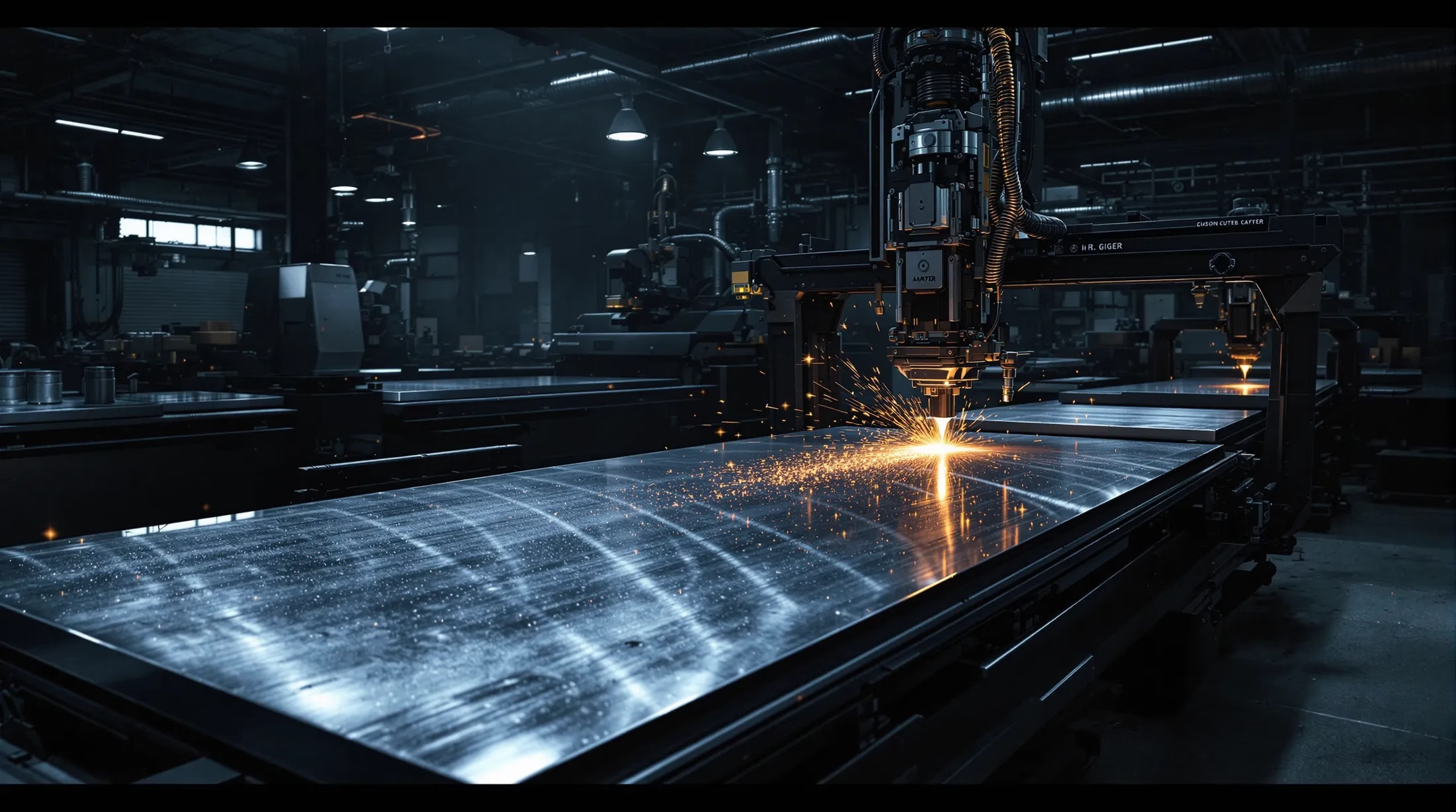
Advanced Cutting Techniques: Laser and Water Jet
- Laser Cutting – Uses concentrated light energy for exceptional accuracy and clean edges
- Fiber Lasers – Can cut through steel up to an inch thick
- Water Jet Cutting – Employs high-pressure water with abrasive particles
- Cold-Cutting Process – Eliminates heat-related distortion
- CAD/CAM Integration – Enables direct digital blueprint to component production
The Use of Welding Robots
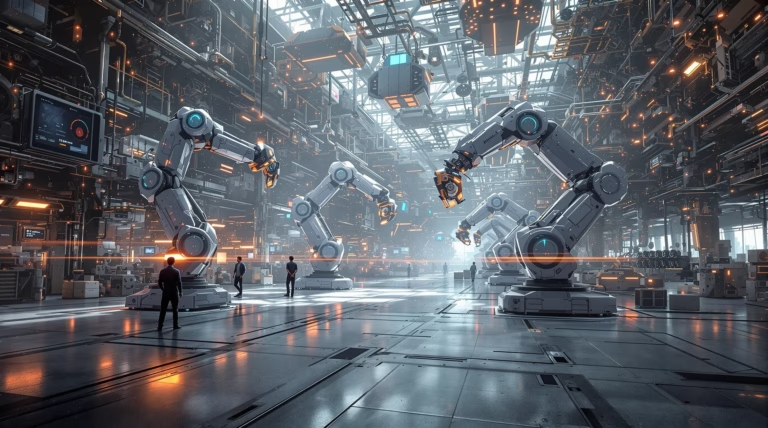
Robotic welding represents a significant advancement in metal fabrication assembly processes, delivering unprecedented consistency and productivity. These automated systems execute precise weld paths programmed from digital models, maintaining perfect travel speeds, torch angles, and wire feed rates throughout complex operations. A single robotic welding cell can perform the work of multiple manual welders while achieving superior quality standards and exceptional repeatability across production runs.
- Real-time sensor systems monitor and adjust to material variations
- Advanced vision systems automatically identify joint locations
- Compensation for minor part positioning discrepancies
- Superior performance in aluminum welding applications
- Precise control for joining dissimilar metals
- Elimination of human fatigue factors
- Reduced rework requirements
Benefits of Metal Fabrication
Metal fabrication stands out as a preferred manufacturing method across numerous industries due to its exceptional versatility. The process enables transformation of raw materials like structural steel, sheet metal, and tube stock into sophisticated components with remarkable precision. This flexibility allows fabricators to create everything from simple brackets to complex machinery parts using the same fundamental equipment and expertise.
Technological advancements continue to enhance quality while reducing production time and costs. Modern fabrication facilities efficiently handle both one-off prototypes and large production runs, adapting their processes to meet specific project requirements. This adaptability, combined with the inherent strength and durability of metal materials, makes fabrication ideal for applications demanding superior performance, longevity, and customization.
Customization and Precision
| Aspect | Capability |
|---|---|
| Design Flexibility | Tailored to exact specifications with unique design options |
| Modification Options | Adjustments possible at any production stage |
| Precision Level | Tolerances measured in thousandths of an inch |
| Geometry Handling | Complex shapes and intricate details achievable |
| Surface Finishing | Specialized finishes for specific requirements |
Efficiency and Cost-Effectiveness
- Streamlined workflows minimize material handling and production delays
- Seamless integration between digital design tools and manufacturing equipment
- Rapid transitions from concept to finished product
- Minimal waste generation through efficient material nesting
- Versatile equipment configuration for various tasks
- Lower tooling costs compared to injection molding or die casting
- Superior strength-to-weight ratio in finished components
Architectural and Artistic Applications
In architecture, metal fabrication has revolutionized design possibilities through the creation of striking structural and decorative elements. The versatility of fabricated metal enables architects to implement ambitious visions that traditional materials cannot achieve.
- Dramatic custom staircases with innovative designs
- Intricate facade systems that define building character
- Architectural railings combining safety with aesthetics
- Statement lighting fixtures serving as focal points
- Structural elements that merge function with form
- Decorative screens and room dividers
- Custom architectural hardware and fixtures
The artistic realm harnesses metal fabrication’s expressive potential through collaboration between artists and fabrication specialists. These partnerships yield dynamic artworks ranging from intimate gallery pieces to monumental public installations. Through techniques like plasma cutting, welding, and forming, artists manipulate metal to achieve both fluid organic forms and precise geometric patterns. The durability of fabricated metal art makes it particularly effective for outdoor installations, where it maintains aesthetic impact while withstanding environmental exposure.
Industrial and Commercial Uses
| Sector | Applications |
|---|---|
| Industrial | Specialized machinery parts, pressure vessels, structural components, industrial enclosures |
| Retail | Display systems, branded signage, decorative elements, storage solutions |
| Hospitality | Custom furniture, light fixtures, decorative screens, architectural hardware |
| Manufacturing | Production equipment, custom tooling, assembly line components |
Industrial applications represent the largest sector for metal fabrication, with manufacturers across aerospace, automotive, energy, and manufacturing industries relying on custom fabricated components. These applications emphasize precision, durability, and performance under demanding conditions. The ability to create purpose-built equipment provides businesses with competitive advantages through increased efficiency and optimized performance.
In commercial settings, custom metal fabrication delivers distinctive furnishings and fixtures that enhance brand identity and customer experience. These applications demonstrate how metal fabrication bridges practical functionality with distinctive design, enabling businesses to create unique spaces that stand out in competitive markets while maintaining durability for heavy use environments.